
Typical Resin Driveway Lifespan
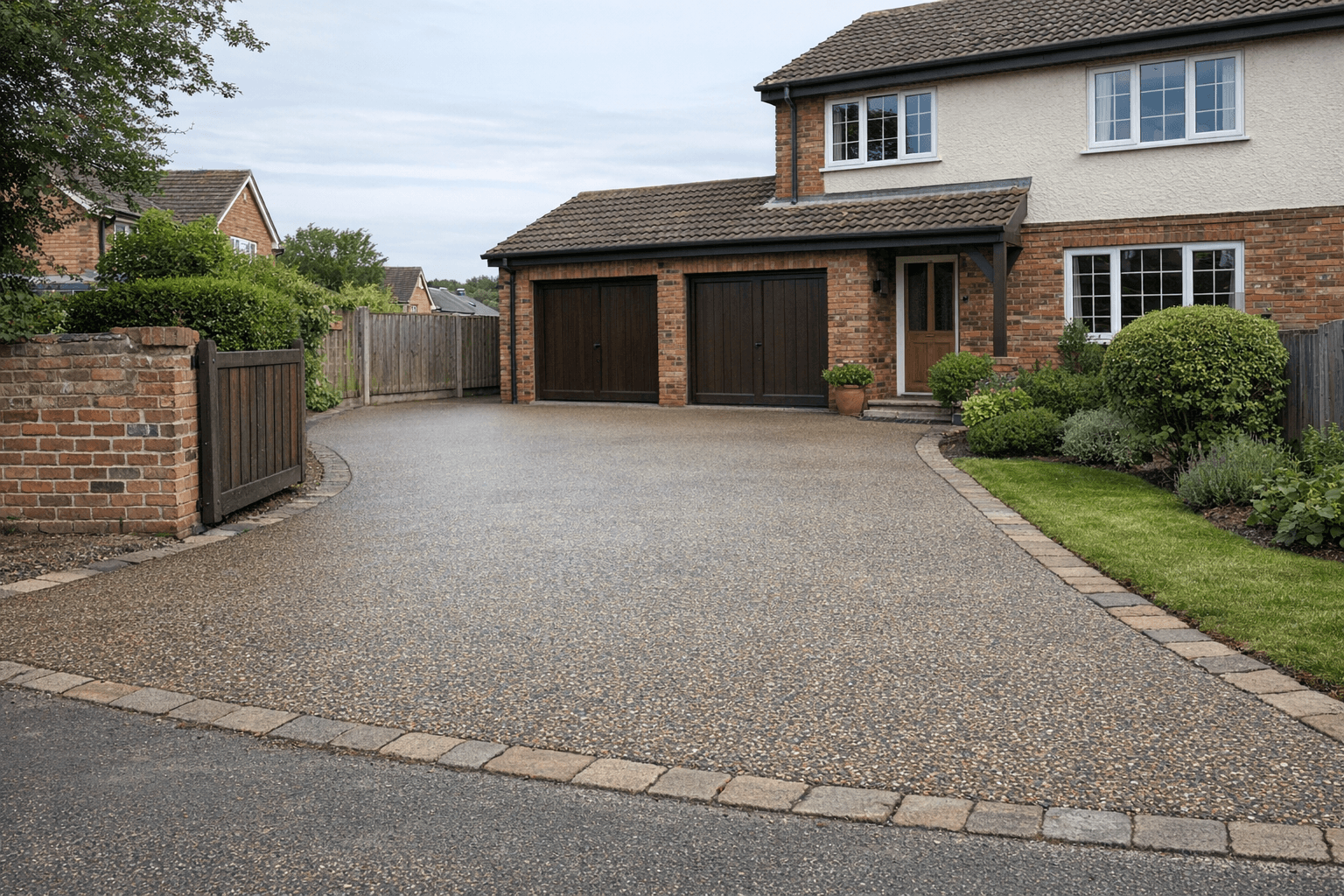
A well-installed resin bound driveway typically lasts between 15 and 25 years. This range depends on the quality of materials used, how well the base was prepared, and the level of ongoing maintenance the surface receives.
Resin bound systems from reputable suppliers use UV-stable resin that resists yellowing and aggregate loss over time. When combined with a properly compacted and drained sub-base, these surfaces maintain their structural integrity for decades.
Some early resin systems from the 2000s are still performing well today, which speaks to the durability of the technology when correctly specified and installed.
Factors That Affect Durability
Several factors influence how long your resin driveway will last. The most significant is the quality of the base layer — a weak or poorly drained sub-base is the primary cause of premature failure in any surface treatment.
UV stability of the resin binder matters too. Lower-quality resins can become brittle and yellow within a few years, while professional-grade aliphatic resins maintain flexibility and colour stability throughout their service life.
- Base preparation quality and drainage design
- Resin grade and UV stability specification
- Aggregate type and stone hardness
- Traffic volume and weight loading
- Climate exposure and frost-thaw cycles
- Regular cleaning and weed prevention
Want to know expected lifespan based on your current base condition? Call 07413 521600 for free advice.
How to Extend Your Driveway's Life
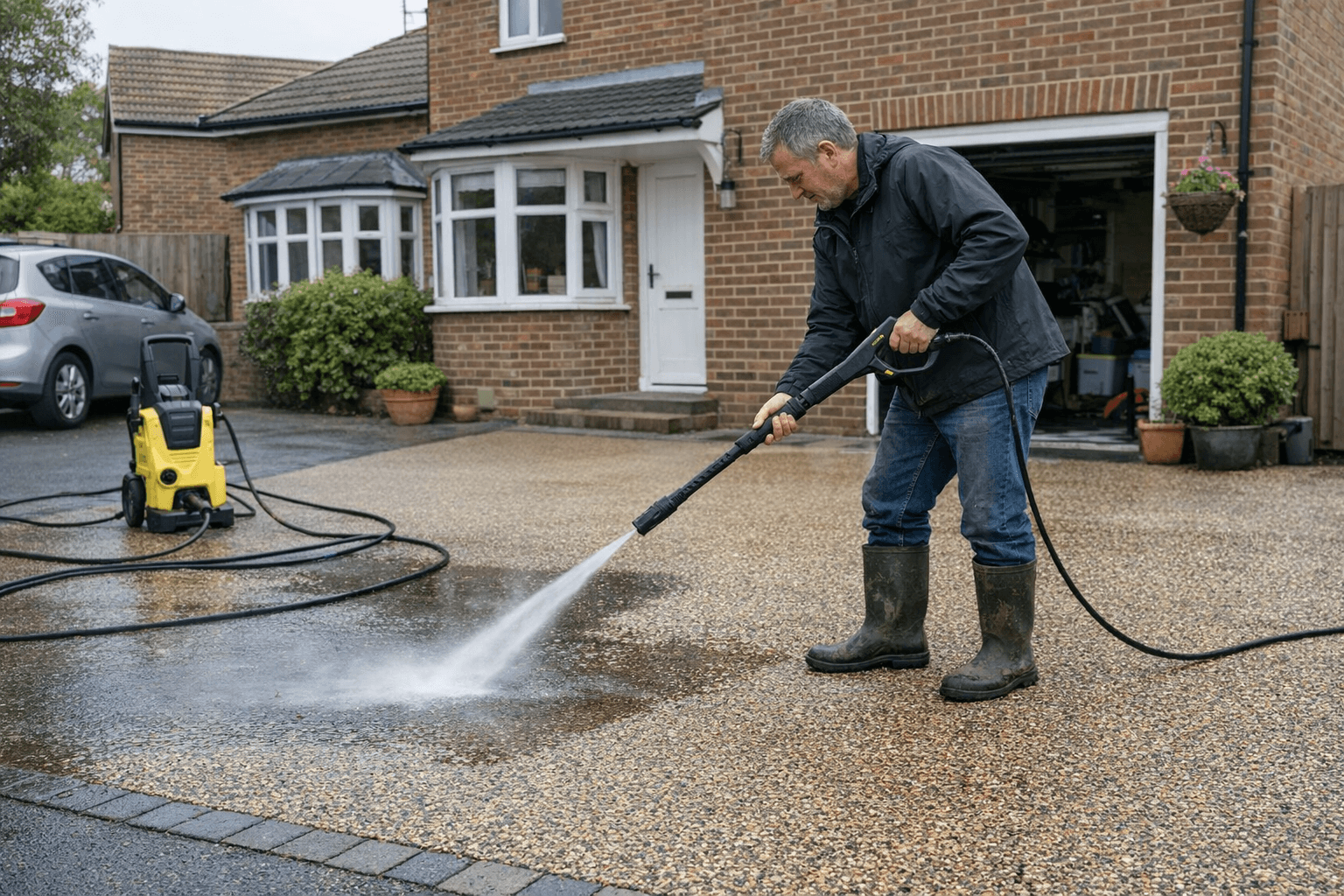
Regular maintenance is the simplest way to maximise your driveway's lifespan. Power washing once or twice a year removes organic matter that can degrade the resin bond if left to accumulate.
Address any cracks or loose patches promptly. Small repairs are straightforward and affordable — but if left, minor damage can allow water infiltration that undermines the sub-base and leads to more costly resurfacing.
Avoid using harsh chemical cleaners or de-icing salts directly on the surface. A mild detergent solution and a stiff brush are usually sufficient for stubborn stains. For oil spills, treat the area quickly with an absorbent material before washing.
When Is Resurfacing Needed?
Even a long-lasting resin driveway will eventually show signs of ageing. If you notice widespread aggregate loss, persistent pooling water, or large cracked areas, it may be time to consider resurfacing rather than patch repairs.
The good news is that resurfacing an existing resin base is usually more affordable than a full replacement, because the underlying sub-base structure can often be retained. A professional survey will determine whether an overlay is viable or whether deeper preparation is needed.