
Get a FREE Quote
Tell us about your project and we'll get back to you within 24 hours with a no-obligation quote.
Trusted in Lewes & the South East
Resin Driveways inLewes
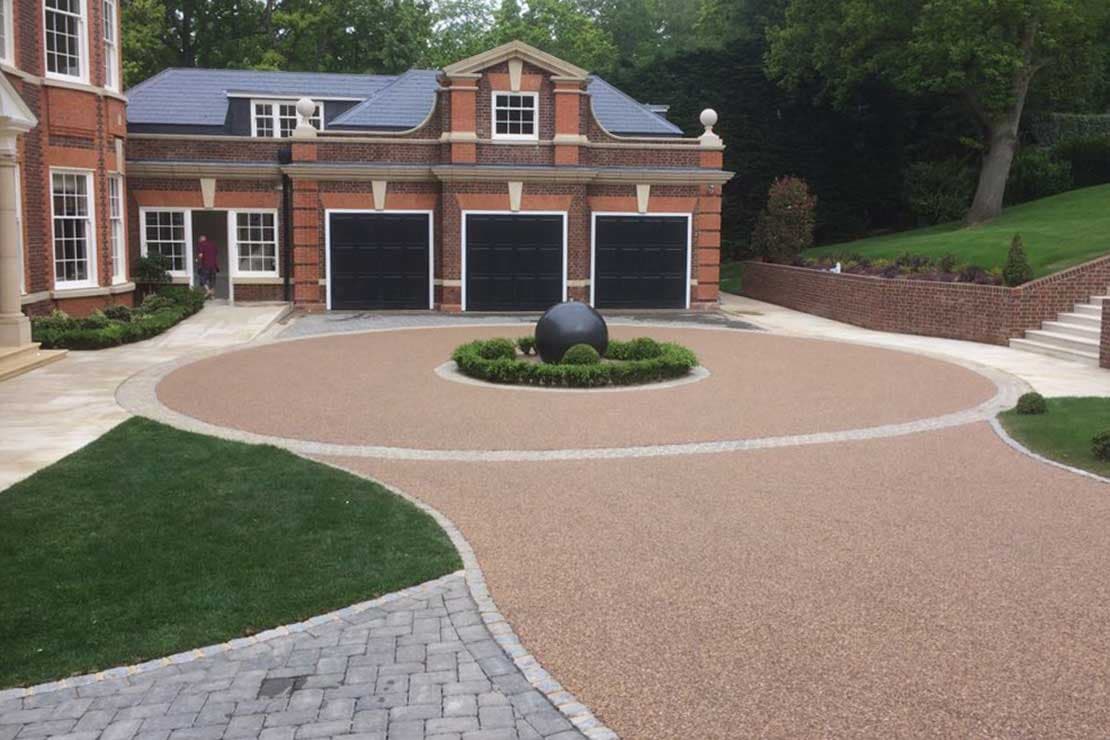
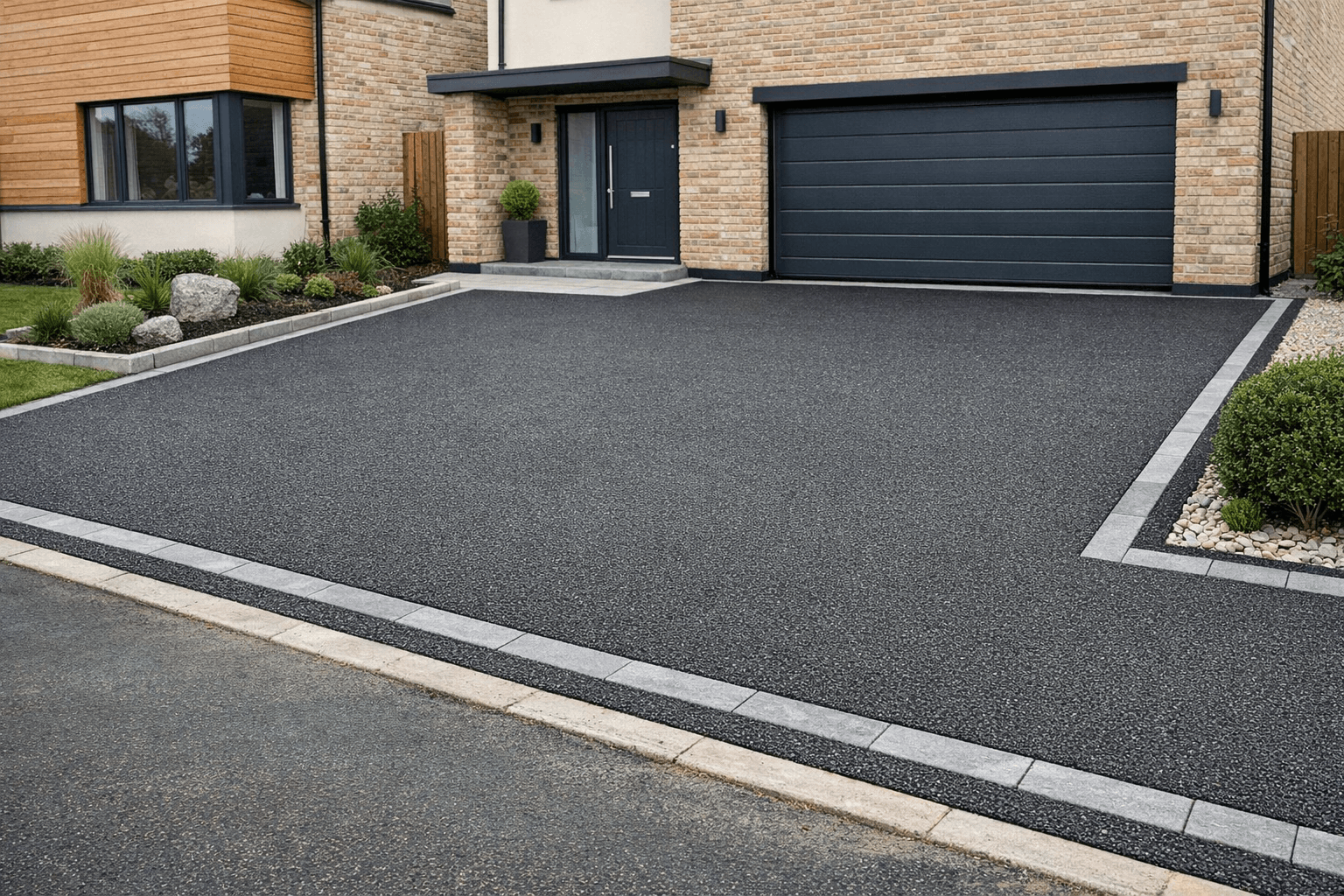
High-quality resin driveway installation in Lewes with tailored aggregate blends that suit both period and contemporary homes. If you are searching for driveways near me in Lewes, our team can help.
Resin Surfacing in Lewes
Lewes Resin Driveway Specialists
Lewes projects usually involve character properties, varied levels, and a need to keep improvements in tune with the setting. Homeowners often want a resin driveway or path that looks refined without feeling too modern for period brickwork or flint boundaries. We frequently design compact parking zones with clean edges and linked walkway routes, so practical movement is clear and the frontage still feels open. Enquiries from Lewes regularly prioritise drainage reliability, low maintenance, and finishes that age naturally over time.
Because Lewes includes steep sections, narrower streets, and a mix of historic and newer homes, each site needs careful level checks before final design decisions are made. Frontages near older walls, cellar vents, or raised thresholds can require extra attention where resin meets existing structures. Wind and rainfall from Downs-adjacent weather patterns can increase leaf and grit accumulation, so routine cleaning access should be part of layout planning. Material tone also matters, with many homeowners preferring understated blends over high contrast styling.
20-Year Guarantee
On every installation
100+ Projects
Completed across the South East
Ready to Transform Your Lewes Property?
Get a free, no-obligation quote for your Lewes resin driveway, patio, or pathway project.
What We Do
Our Services
From residential driveways to large-scale commercial projects, we deliver premium resin bound surfacing tailored to your needs.
Local Coverage
Resin Surfacing in Lewes
Local project planning, coverage details, and area-specific context for resin surfacing in Lewes.
Request a FREE Quote
Share your driveway, patio, or pathway details and we'll send a clear, tailored quote within 24 hours.
Why Go-Resin
Why Choose Us
We focus on quality workmanship, transparent service, and durable installations that improve your property and hold up over time.
20-Year Guarantee
Every installation is backed by our industry-leading 20-year structural guarantee for total peace of mind.
Bespoke Finishes
Choose from premium colours and aggregate blends tailored to your property style.
No Hidden Costs
Clear quoting and transparent pricing from survey through to project completion.
Excellent Support
Friendly, responsive communication and dependable aftercare once work is complete.
Testimonials
What Our Customers Say
Do not just take our word for it, hear from homeowners who transformed their properties with Go-Resin.
Frequently Asked Questions
Common questions about resin driveways in Lewes.
Do you cover all postcodes in Lewes?
We cover most postcodes in and around Lewes. Share your postcode and we will confirm scheduling.
How quickly can you quote in Lewes?
Quote times depend on workload and location, but we aim for a fast response and clear next steps.
What resin services are most requested locally?
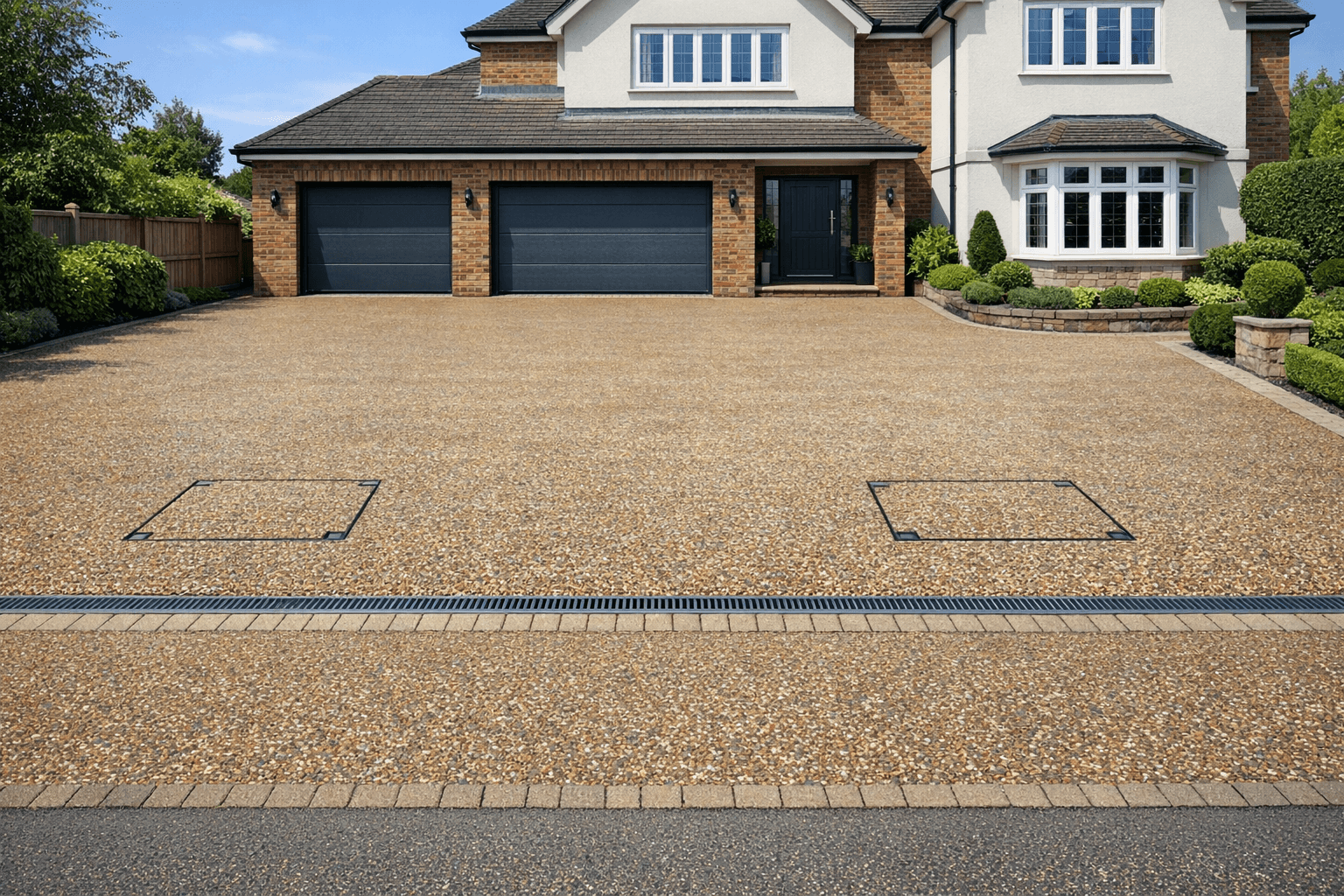
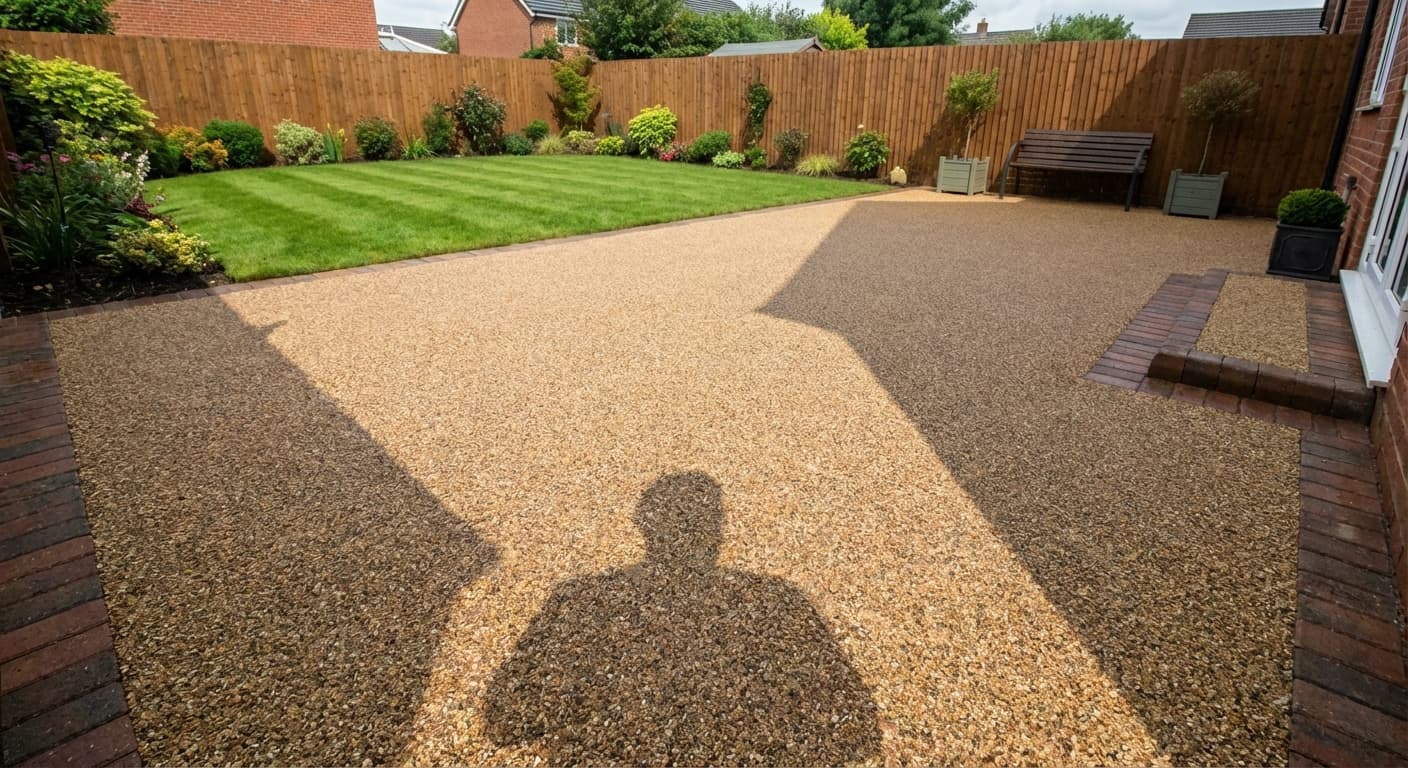
Driveways are most common, followed by patios and pathways, with resurfacing requested where an existing base can be retained.
Let's Get Started
Your Lewes Driveway Is One Quote Away
Tell us about your Lewes project and we'll get back to you within 24 hours with a free, no-obligation quote.